

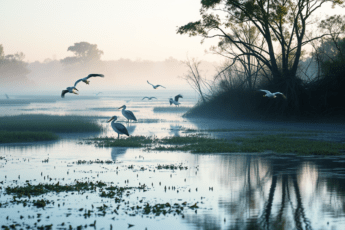
Photographing wildlife is one of the most rewarding experiences a nature photographer can have. There’s nothing quite like locking eyes with a wild eagle, watching a butterfly land just inches from your lens, or capturing the silhouette of a heron against a foggy sunrise. But with this privilege comes a responsibility: to observe without interfering.
As photographers, we are guests in wild spaces — and it’s our job to ensure we leave no trace of our presence, not even a ripple in the pond. Here’s how to capture stunning images of wildlife ethically, safely, and respectfully.
1. Know Before You Go: Research is Part of the Process
Before heading into the field, take the time to learn about your subject:
What are its habits?
Is it nesting season?
How does it respond to human presence?
Knowing this can prevent you from accidentally approaching a nesting bird or disrupting a feeding animal. For example, many wading birds in Florida will abandon nests if startled too often — even by a quiet photographer with good intentions.
🎯 Tip: Use apps like Merlin Bird ID or iNaturalist to learn about local species and their behaviors.
2. Use a Long Lens — Not Long Legs
Tempted to get closer? Don’t. Instead, let your lens do the walking. A good telephoto lens (300mm or more) allows you to get frame-filling shots without encroaching on an animal’s space.
Getting too close can cause animals to flee, expend precious energy, or change their behavior — which, if repeated, can be fatal for young or stressed wildlife.
📸 Remember: If an animal changes its behavior because of you, you’re too close.
3. Stay on the Trail — Yes, Even for the “Perfect Angle”
It’s easy to justify stepping off-trail for that one clean background or better light. But stepping into vegetation can destroy fragile habitats, trample nests, or introduce invasive species through your boots.
Nature photography is often about patience and positioning, not blazing your own trail.
4. Silence is Golden: Ditch the Drone and Mute the Shutter
Technology can be a blessing and a curse. Shutter sounds, beeps, and especially drones can cause unnecessary stress to wildlife.
Drones, in particular, can look and sound like predators to birds. Use them with extreme caution (or not at all) in sensitive areas, and always obey local drone laws and no-fly zones.
🔇 Tip: Use silent shutter mode when possible, and keep phones on mute.
5. Don’t Bait or Lure
Feeding or baiting wildlife for a photo isn’t just unethical — in many cases, it’s illegal. It teaches animals to associate humans with food, which can lead to dangerous encounters and even the animal’s removal or death.
The best wildlife photos come from patience, not manipulation. Wait for the moment, and the wild will reward you.
6. Know the Signs of Stress
Animals can’t speak, but they can still tell you when they’re uncomfortable:
Raised feathers
Stomping or tail flicking
Looking directly at you repeatedly
Freezing or sudden silence
If you notice any of these signs, back away slowly and calmly. You’re not losing a shot — you’re gaining respect.
7. Be a Steward: Set the Example
As a photographer, you have influence. If others see you respecting boundaries, staying quiet, and keeping your distance, they’ll be more likely to do the same.
Educate others kindly. If you see someone disturbing wildlife, consider it a teachable moment rather than a confrontation.
🛡️ Ethical photography isn’t just about what you shoot — it’s about what you stand for.
Final Thoughts: Let the Wild Stay Wild
There’s something sacred about witnessing wildlife in its natural environment. Our role as photographers is not to control that world, but to document it without leaving a trace.
So next time you’re out with your camera, remember: the best wildlife photo isn’t the closest one — it’s the one that captures the animal being itself, undisturbed, in the world it knows as home.



Mansour
July 12, 2025 3:19 amBeautiful