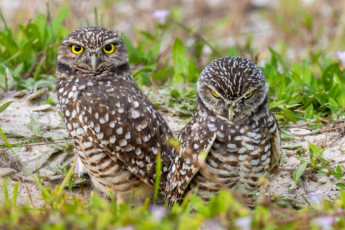
When people look at a striking wildlife photo—a heron in mid-flight, a bobcat stepping from the shadows, or a dolphin breaking the surface of still water—they often ask: “How did you capture that exact moment?” The answer, more often than not, is patience and timing.
Wildlife photography isn’t about luck. It’s about preparation, persistence, and respect for the natural world. In this post, I’m sharing what I’ve learned after years behind the lens—especially since returning to photography full-time here in beautiful Southwest Florida.
🕰️ The Power of Patience
Wild animals don’t operate on our schedule. You can’t direct them or cue them to strike a pose. That’s why patience is the most important gear a wildlife photographer can carry—more essential than any lens or camera body.
Sometimes I’ll sit in the same spot for hours—camouflaged, quiet, and motionless—waiting for a bald eagle to return to its perch or a spoonbill to wade into the right patch of light. Wildlife photography often involves a lot of “nothing” before you get something extraordinary.
But when it happens? That moment is magic. And it’s worth every mosquito bite, every sweat-drenched shirt, and every hour spent scanning the horizon.
⏱️ Timing Is Everything
While patience keeps you in the field long enough, timing is what helps you click the shutter at just the right instant. Great timing is part instinct, part experience, and part knowing your subject.
For example, if you want to capture a bird taking flight, you need to anticipate the body language that signals it’s about to go airborne. If you’re photographing deer, understanding their feeding patterns or seasonal behaviors gives you an edge. The more you study your subject, the better your timing becomes.
And let’s not forget natural light. Sunrise and sunset aren’t just beautiful—they’re essential for capturing wildlife in flattering, dramatic conditions. That golden hour glow is your best friend.
🔍 Study, Scout, Repeat
Wildlife photography isn’t just about showing up with a camera. It takes scouting and research. I study animal behaviors, track nesting seasons, and scout locations long before I bring out my camera. I learn the lay of the land, the direction of light, and where my subjects are most likely to appear.
Apps like Merlin Bird ID or eBird help with tracking bird sightings, while Google Earth and local trail maps help me find new spots to explore.
🌿 Respecting the Wild
Great wildlife photography also means keeping a respectful distance and never disrupting the animals’ natural behavior. I always use long lenses to avoid getting too close, and I move slowly and quietly. The well-being of the subject always comes before the shot.
Some of my favorite captures came when I was almost invisible—blending into the environment, letting nature unfold as if I wasn’t even there.
📷 Final Thoughts
Capturing a powerful wildlife image isn’t about snapping a hundred photos and hoping one turns out. It’s about waiting for the moment—when the light is just right, when the animal moves into frame, and when you’re ready to press the shutter with precision and purpose.
In the end, it’s not just about photography—it’s about learning how to slow down, observe, and connect deeply with the world around you.
So next time you’re out in nature, bring your camera—but also bring your patience. The wildlife will reward you.